

FIFA World Cup Introduces Historic Halftime Show
The 2026 FIFA World Cup Final made history by introducing the tournament’s first-ever halftime show, marking a dramatic shift in football’s biggest event. FIFA aimed to blend the match’s tradition with global music and entertainment, but the move also set up a clear debate over whether the spectacle belonged on football’s biggest stage.
The ambitious production featured an impressive lineup of international superstars, including Madonna, Shakira, Justin Bieber, BTS, Coldplay, Burna Boy, and several other globally recognized performers. While the show impressed many viewers with its scale and production value, it also sparked intense debate among football fans, players, and pundits over whether the spectacle overshadowed the game.
For some, it represented the future of sports entertainment. For others, it crossed a line by disrupting the traditional spirit of the FIFA World Cup.
Argentina vs Spain Final Sets the Stage
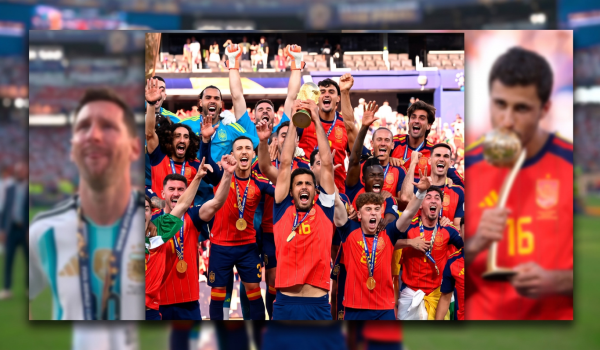
The 2026 World Cup Final between Argentina and Spain was already one of the most anticipated matches in football history. Long before kickoff, the stadium transformed into a massive celebration, and the halftime spectacle only intensified the debate around the event.
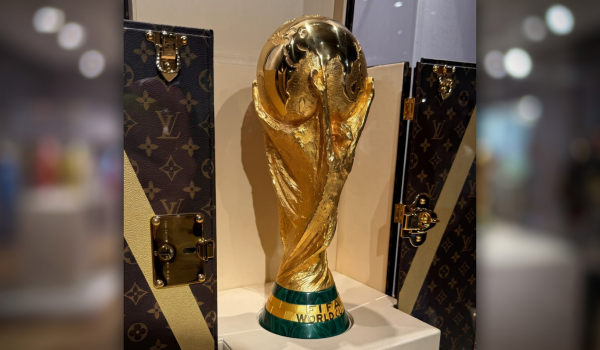
One of the standout moments before the match was the arrival of the FIFA World Cup Trophy inside a specially designed Louis Vuitton travel case. The presentation added excitement as fans awaited the biggest game in international football.
FIFA had prepared an entertainment program unlike anything previously seen at a World Cup final.
Madonna Opens the Historic Halftime Show
The halftime show began with pop icon Madonna, who opened with her legendary hit “Music.” She updated the classic song with modern musical elements, creating a fresh performance for the global audience.
Her entrance quickly became one of the night’s most talked-about moments. Madonna entered the stadium riding in a bright pink jeep driven by Brazilian football legends Ronaldo and Ronaldinho.
As she performed the famous lyric, “Music brings the people together,” dazzling lights, visual effects, and synchronized stage production filled the stadium, creating one of the show’s most memorable scenes.
BTS and Justin Bieber Continue the Celebration
After Madonna’s performance, South Korean supergroup BTS energized the crowd with their global hit Dynamite. Their appearance brought explosive energy, colorful choreography, and enthusiastic fan reactions from around the world.
The entertainment continued with appearances from Ted Lasso and Coach Beard, adding a lighthearted moment before Canadian pop star Justin Bieber took center stage.
Bieber performed Everything Hallelujah. While many fans appreciated his vocal performance, others felt his set lacked the energy expected from such a high-profile event.
Shakira Delivers the Biggest Crowd-Pleasing Performance
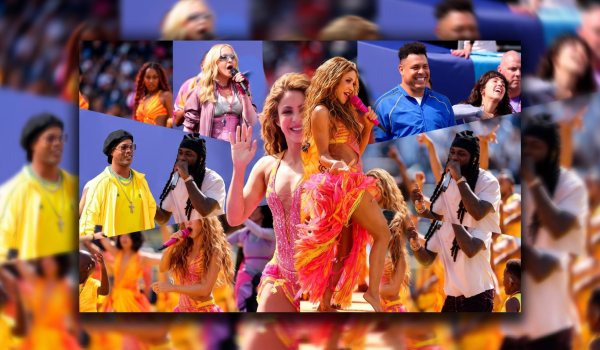
For many football supporters, no World Cup celebration feels complete without Shakira. Her appearance became one of the evening’s biggest highlights.
Joined by Burna Boy and a large group of dancers, Shakira performed Dai Dai, the official song of the 2026 FIFA World Cup.
The combination of energetic choreography, spectacular lighting, and audience participation transformed the stadium into a vibrant concert. Social media quickly filled with praise for her performance, with many fans calling it the strongest segment of the halftime show.
Coldplay Brings the Show to an Emotional Close
As the halftime entertainment neared its conclusion, British rock band Coldplay joined forces with the PS22 Chorus to perform We Believe in Love.
The emotional performance offered a calmer ending after an energetic lineup of musical acts. Its message of unity and hope aligned with FIFA’s vision of bringing people together through football and music.
Wayne Rooney Criticizes the Halftime Show
Despite the impressive production, not everyone welcomed FIFA’s new approach to the final.
Former England captain Wayne Rooney openly criticized the halftime show during post-match discussions.
When asked which part of the performance he enjoyed most, Rooney jokingly replied that his favorite moment was “when it finished.”
Although he acknowledged that he personally admired many of the artists involved, Rooney argued that the extended entertainment interrupted the natural rhythm of the football match.
He also described Justin Bieber’s performance as lacking energy and believed the overall production distracted from the emotion and intensity of the World Cup Final itself.
Liam Gallagher Offers Mixed Reactions
Singer Liam Gallagher also shared mixed opinions about the halftime show.
While he complimented Justin Bieber’s performance, he admitted that the overall production felt unusual. The mix of musical styles and performers created an experience that seemed disconnected rather than unified.
His comments reflected the wider split among viewers who appreciated individual performances but questioned whether such a large entertainment event belonged in a football final.
Social Media Divided Over FIFA’s New Direction
The halftime show quickly became one of the most-discussed topics on social media.
Supporters praised FIFA for modernizing the World Cup and making the tournament more attractive to younger audiences worldwide. Many described Madonna’s entrance alongside Ronaldo and Ronaldinho as an unforgettable moment that blended football history with pop culture.
Others celebrated Shakira’s performance as another iconic World Cup appearance, reinforcing her long-standing connection with football’s biggest tournament.
However, critics argued that the World Cup should remain focused on football rather than celebrity entertainment, and many fans felt the extended performances disrupted the match’s momentum and diverted attention from the players.
The differing opinions demonstrated how deeply fans value the traditions of international football.
Entertainment Extended Beyond Halftime
The entertainment began long before the halftime show.
Internet personality and musician IShowSpeed energized fans with a performance of Champions, while Post Malone entertained the crowd with popular songs including Wow., Sunflower, and Chrome Heartbreaker.
The pre-match ceremony also featured special performances of the participating nations’ national anthems.
Jennifer Hudson performed the United States national anthem, Spanish Brass presented Spain’s anthem, and Argentine singer Maria Becerra performed Argentina’s national anthem.
In addition, Robbie Williams, Laura Pausini, and Nicole Scherzinger performed FIFA’s official song Desire, adding another international element to the opening ceremony.
These performances turned the World Cup Final into one of the largest entertainment events ever staged alongside a football match.
A New Era for the FIFA World Cup?
FIFA’s decision to introduce a Super Bowl-style halftime show represents one of the most significant changes in World Cup history, but it also sharpened the question of how much entertainment football should absorb.
Supporters believe the move will attract new audiences, increase the global value of entertainment, and strengthen the tournament’s commercial appeal. They see music and football as universal languages that can bring millions of people together.
Traditional football fans, however, worry that expanding entertainment could gradually overshadow the sport itself. They argue that the World Cup’s greatest attraction has always been the drama, emotion, and unpredictability of football—not elaborate stage productions.
Conclusion
Whether fans loved it or hated it, the first-ever FIFA World Cup halftime show secured its place in football history while exposing a deep divide over the tournament’s future.
The performances by Madonna, Shakira, Justin Bieber, BTS, Coldplay, Burna Boy, and many other international stars created unforgettable moments and sparked passionate discussions about the tournament’s future.
The answer will ultimately depend on how fans around the globe embrace this new chapter in World Cup history—and whether FIFA keeps it as a tradition or leaves football as the sole focus.
Fans’ reaction will decide how this new chapter in World Cup history is remembered.