
Scientists have speculated about a vast ocean that covered the Moon for decades. New research confirms that this long-standing lunar mystery has finally been solved.
A Vast Ocean Once Covered the Moon
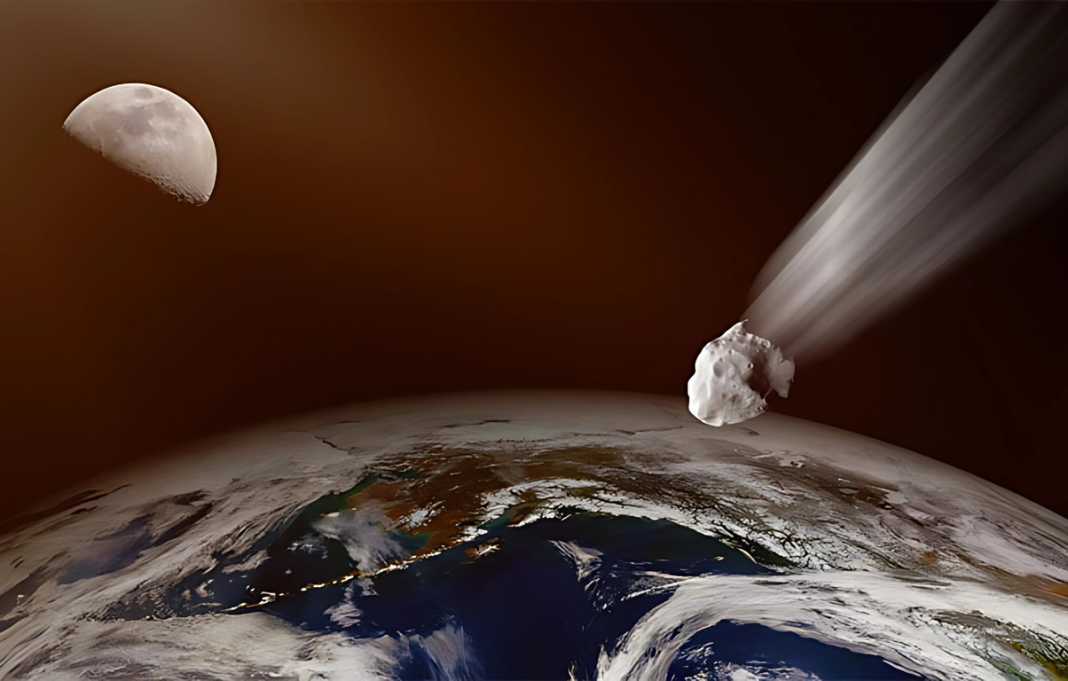
Shortly after its formation, the Moon was much closer to Earth than today. Over time, it has gradually drifted away. Scientists now confirm that in its early history, the Moon was engulfed by a massive ocean—not of water but of molten lava.
Change 6 Mission Uncovers Crucial Evidence
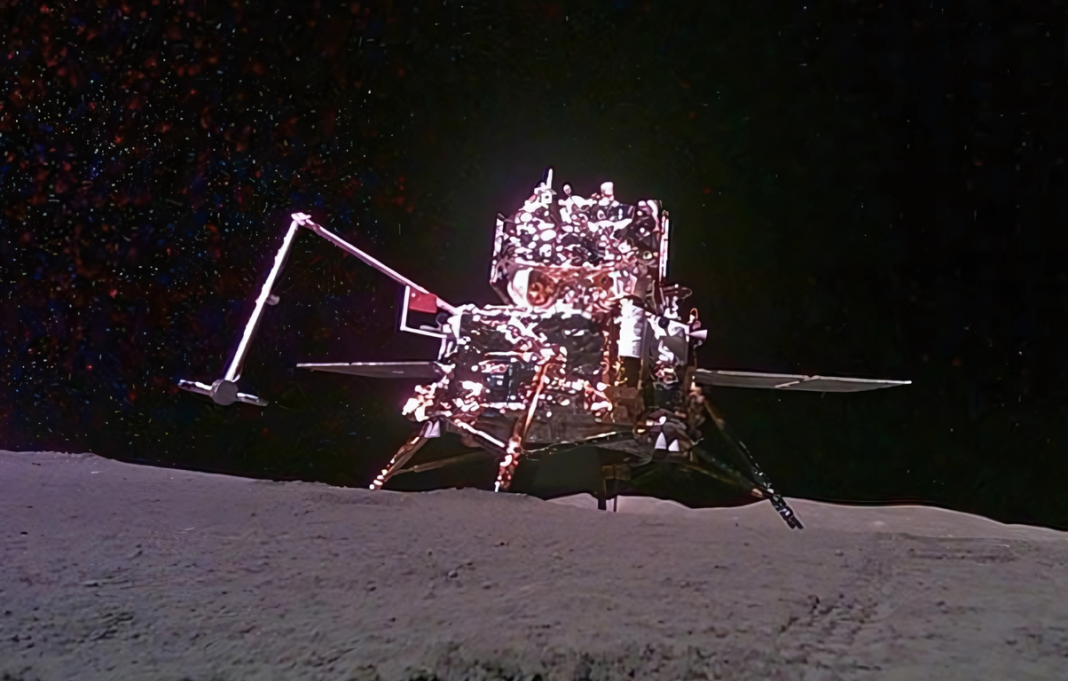
China’s Chang’e 6 mission recently returned with groundbreaking evidence from the Moon’s far side. The spacecraft collected soil samples from the Apollo Basin, located near the Moon’s south pole, and brought back an impressive 1,935.3 grams of material. This mission marks a milestone in lunar exploration, providing valuable insights into the Moon’s geological history.
Lunar Samples Reveal Ancient Volcanic Activity
After thorough analysis, scientists discovered that the samples contained a mixture of basalt rock, a volcanic rock commonly found in lunar soil. The dating of these samples reveals that they are approximately 2.823 billion years old. This discovery confirms that the Moon was once covered by an ocean of molten lava, formed due to intense volcanic activity during its early years.
Understanding the Moon’s Volcanic Past
The new findings offer a deeper understanding of the Moon’s composition and evolution. After the Moon’s formation, frequent volcanic eruptions released streams of molten lava, which eventually solidified and shaped the lunar surface as we see it today. This discovery reshapes our knowledge of lunar geology and provides critical insights into planetary formation processes.
Implications for Future Lunar Exploration
This research solves the mystery of the Moon’s ancient lava ocean and enhances our understanding of lunar soil composition. Scientists believe this information will be instrumental in future space missions, helping to prepare for potential lunar colonization and resource utilization.
As space agencies worldwide continue exploring the Moon, these findings will play a crucial role in shaping the next lunar exploration and scientific discovery era.
With ongoing missions and advanced research, our understanding of the Moon’s past, present, and future continues to evolve, bringing us one step closer to unlocking the secrets of our celestial neighbor.