


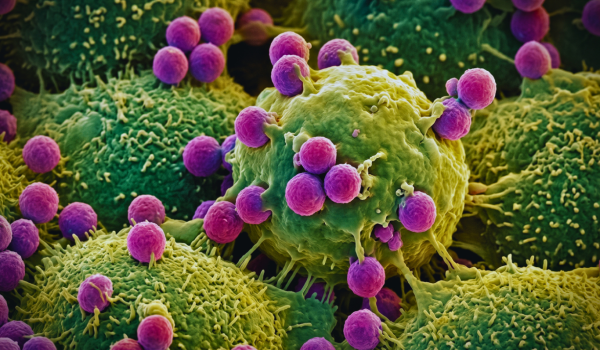
A virus previously known to infect livestock has reportedly been detected in a human for the first time, raising fresh questions among scientists about diseases that spread from animals to people. The virus, known as the Shamonda virus, has been associated with cattle and horses, but its reported occurrence in humans has drawn attention from virologists.
Although the reported case occurred thousands of kilometres from Bengal, experts say it highlights the importance of monitoring infections that can cross the species barrier. However, specialists have also urged the public not to panic, stressing that human infection does not automatically mean the virus will spread widely.
What Is the Shamonda Virus?
Shamonda virus is an animal virus identified in parts of Africa and Asia. It belongs to a group of viruses associated with livestock infections and is linked to the broader family of viruses transmitted by biting midges.
Until now, the virus was generally understood to infect animals rather than humans. The reported human case has therefore attracted scientific interest because it may indicate that the virus can cross a barrier previously thought to limit its ability to infect people.
Virologist Dr Siddhartha Joardar has highlighted the significance of the reported case, noting that a documented human infection would represent a new development in the understanding of the virus.
However, further investigation is needed to establish the details of the infection, including how the person was exposed, whether the virus has undergone genetic changes, and whether any additional human cases have occurred.
How Can a Virus Spread From Animals to Humans?
Diseases that pass from animals to humans are known as zoonotic diseases. Many familiar infections fall into this category, and scientists estimate that a substantial proportion of emerging infectious diseases originate in animals.
These infections can reach humans through several routes. Direct contact with infected animals, exposure to contaminated animal products and bites from infected insects can all contribute to transmission, depending on the virus involved.
In the case of the Shamonda virus, biting midges of the genus Culicoides are associated with transmission among animals. These tiny insects can feed on infected livestock and carry the virus to other susceptible animals.
The reported human infection has raised questions about whether the same insects could play a role in human transmission. However, the precise route of infection in the reported case needs to be established through further scientific investigation.
Researchers will also need to determine whether the virus can infect humans efficiently or whether the reported case represents an unusual event.
Why Are Scientists Paying Attention?
The main concern is not simply that an animal virus has been detected in a human. Scientists are particularly interested in understanding whether the virus can overcome the biological barriers that usually prevent animal pathogens from infecting people.
Viruses sometimes acquire genetic changes that affect how they interact with host cells. These changes can occasionally allow a virus to infect a new species, although not every genetic change makes a virus more dangerous.
Scientists therefore need to investigate the virus’s genetic makeup and compare it with samples previously collected from animals.
A single human infection does not prove that the virus has become more transmissible. It also does not establish that the virus can spread from one person to another.
For now, the key questions concern the nature of the infection, the patient’s symptoms, the route of transmission, and the possibility of further cases.
Could Shamonda Virus Become the Next COVID-19?
The emergence of a previously unrecognised human infection naturally brings back memories of the COVID-19 pandemic. However, experts caution against drawing direct comparisons between Shamonda virus and SARS-CoV-2 without reliable evidence.
COVID-19 is caused by SARS-CoV-2, a coronavirus. Scientific studies have found close evolutionary relationships between SARS-CoV-2 and coronaviruses identified in bats. Researchers have also investigated whether other animal species may have played a role in the virus’s emergence.
Shamonda virus is different from SARS-CoV-2 and belongs to a separate group of viruses. The fact that both viruses are associated with animals does not mean they pose the same risks or follow the same transmission patterns.
To assess the threat posed by Shamonda virus, scientists must establish whether it can spread efficiently between humans, how severe the resulting illness may be and whether it has the potential to trigger outbreaks.
At present, a single reported human infection is not sufficient to conclude that the Shamonda virus could cause a pandemic.
Climate Change Could Increase the Risk of Animal-Borne Infections
Climate change is another factor scientists are watching closely. Changes in temperature, rainfall, and humidity can affect the geographical distribution and seasonal activity of disease-transmitting insects.
As environmental conditions change, some insect vectors may expand into areas where they were previously uncommon. This can create new opportunities for pathogens to reach animals or people with little prior exposure.
The movement of livestock, international travel and changes in land use can also influence how animal-borne infections spread across regions.
Shamonda virus has attracted attention partly because of its association with livestock and insect vectors. Its reported detection in a human highlights the need to understand how environmental changes, animal health and human health interact.
Nevertheless, climate change should not be treated as the confirmed cause of any particular infection without supporting evidence. Scientists must investigate the specific circumstances surrounding each case.
Why the One Health Approach Matters
Health experts increasingly support an approach known as One Health, which recognises that human health, animal health and the environment are closely connected.
Under this approach, doctors, veterinarians, scientists and environmental specialists work together to identify potential health threats before they become larger problems.
According to the information provided in the original report, One Health committees have been established in districts across Bengal to help prevent the spread of diseases from animals to humans. Dr Siddhartha Joardar has welcomed the initiative.
Such cooperation can help authorities identify unusual infections in livestock, monitor insect populations, investigate suspected human cases and share information between medical and veterinary services.
Early detection is particularly important when scientists are dealing with a virus whose behaviour in humans is not yet fully understood.
What Precautions Should People Take?
There is no reason to assume that the general public faces an immediate threat simply because a human infection has been reported. However, sensible precautions can reduce exposure to animal-borne infections.
People who work closely with cattle, horses, or other livestock should follow established animal health and hygiene guidance. They should avoid unnecessary contact with animals suspected of being infected and use appropriate protective measures when handling sick livestock.
Farmers should report unusual illness or deaths among animals to veterinary authorities. People experiencing unexplained symptoms after exposure to sick animals or insect bites should seek medical advice.
Public health authorities should continue monitoring suspected infections and provide clear information if the risk changes.
These measures are useful for managing a range of zoonotic diseases, not just Shamonda virus.
Should People Be Worried About Shamonda Virus?
Experts believe the reported human infection deserves careful investigation, but there is an important difference between identifying a virus in a person and confirming that it poses a major public health threat.
Scientists will need reliable information about the patient’s condition, the virus’s genetic characteristics, and the possibility of further infections before they can accurately assess the level of risk.
The incident is a reminder that infectious diseases can sometimes cross species barriers in unexpected ways. It also reinforces the importance of monitoring livestock diseases, tracking insect vectors and improving cooperation between human and animal health services.
For now, the most sensible response is vigilance rather than panic. Continued research and transparent public health communication will be essential to determine whether the reported case represents an isolated event or a wider emerging concern.
Editorial note: Before publication, independently verify the reported human case and its location with a reliable scientific or public health source. The claims in the supplied report should not be presented as independently confirmed without supporting evidence.